Phuket is compact enough to explore by car, yet trying to cross it repeatedly in one day turns a holiday into traffic. This three-day plan groups nearby areas and leaves room for swimming, meals and weather changes. It is a framework, not a race: remove a stop whenever the day begins to feel like a checklist.
Before day one: set up the car and the rules
Save offline maps, check the fuel policy and put the rental contact where both adults can find it. Every driver must be listed in the agreement and carry the required documents. Keep water and a dry layer in the car, but do not leave passports or electronics inside at stops.
Choose a daily turnaround time. On unfamiliar roads, daylight is valuable, and a tropical shower can quickly add delay. The itinerary works best when the first destination is reached early.
Day one: the southern coast and open views
Start with one southern beach that matches the weather and your swimming plans. Arrive before the busiest parking period, spend real time there and avoid hopping between three nearly adjacent shores just to collect names.
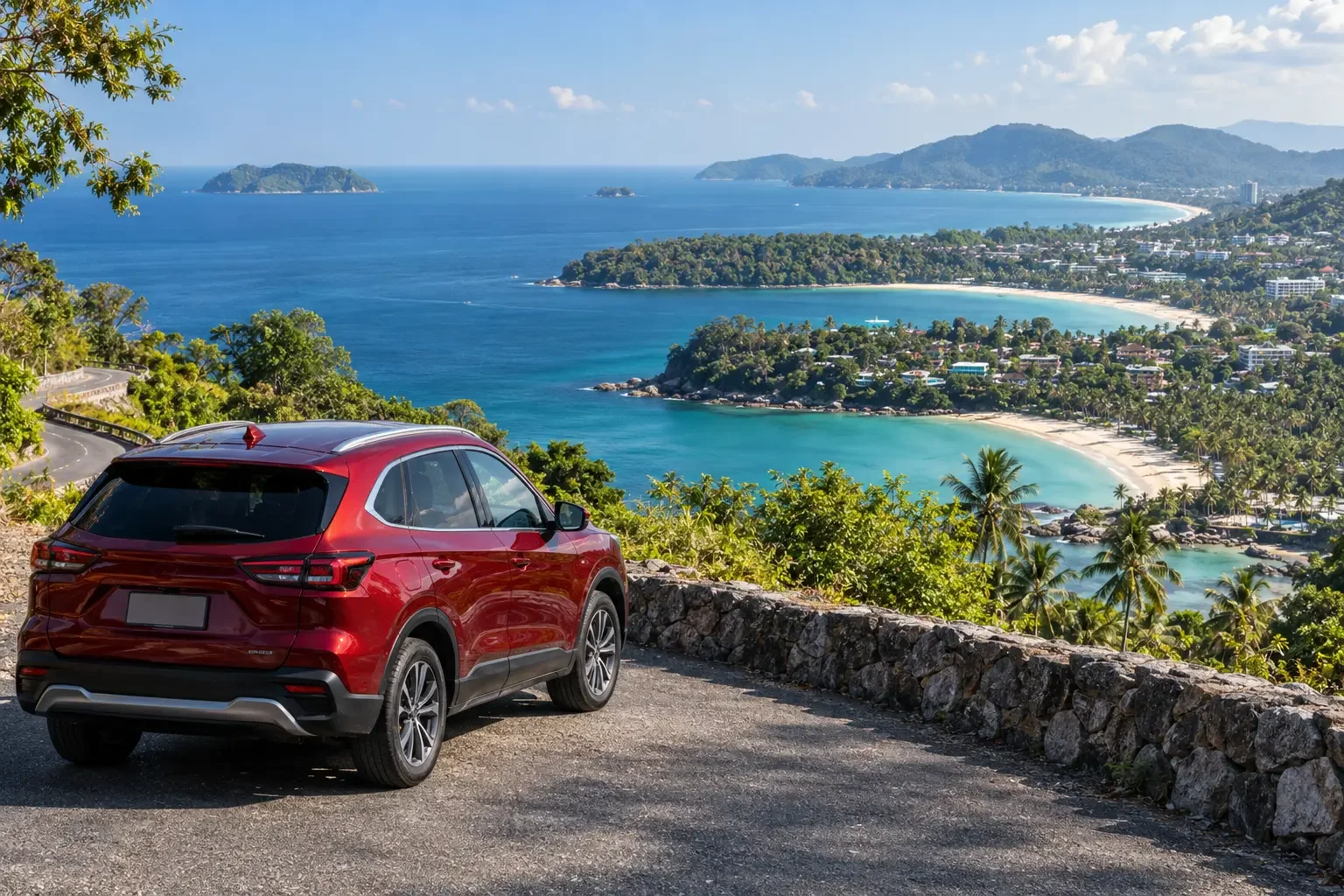
After lunch, choose one elevated viewpoint or coastal stop with official parking. The driver should enjoy the view too, so use a proper bay rather than slowing unpredictably on a bend. Finish near the side of the island where you are staying; a distant sunset followed by a long dark return is rarely the best use of the evening.
Rain alternative
If heavy rain covers the south, shorten the drive and use a café, covered attraction or hotel afternoon. Do not treat flooded access roads as part of the adventure. The coast will still be there on another day.
Day two: Old Town at walking speed
Drive into the central area early, leave the car in a legitimate space and explore the historic streets on foot. Moving the vehicle every few blocks wastes attention and makes parking harder. Save the parking location before walking away.
Plan lunch without a fixed table at the other side of town. Then choose one central activity: a market when operating, a museum, a café district or a relaxed shopping stop. The goal of this day is texture and food rather than kilometres.
Evening decision
Before dusk, check the driver's energy and the route home. If dinner includes alcohol, leave the car parked legally and use another ride, or return the vehicle to the accommodation first. A road trip plan should include the moment when not driving is the better choice.
Day three: the quieter north
Use the final day for a wider landscape: a northern beach, a peaceful lunch and perhaps an airport-side stop if it fits your location. Roads may feel calmer, but do not turn that into higher speed. Local traffic, animals, construction and sudden rain still require attention.
Pick one beach and one inland or coastal interest. If you are flying the same evening, remove the optional stop and protect the return time. Refuelling, luggage rearrangement and the handover take longer than a simple map estimate.
How to adapt the plan to your base
If you stay in the north, reverse the order so the first and last days involve less airport-area backtracking. If you stay far south, keep the Old Town day in the middle but begin early. Families can replace viewpoints with longer beach time; food-focused travellers can use each day's geography to choose one unhurried meal.
What should remain in the car
- Phone cable and offline navigation.
- Water, reusable bags and a small towel.
- Sun protection and a light rain layer.
- Rental contact and a copy of emergency instructions.
- A rubbish bag so food and damp items do not accumulate.
Take valuable documents with you at stops. At the end of each day, remove wet clothing and sand, then check the next morning's first route.
The measure of a good three-day drive
You should remember places, conversations and meals — not only traffic between pins. Choose a car that is comfortable but easy to park from the Phuket vehicle selection, keep each day geographically simple and allow the weather to edit the schedule.